Do You Need a Car Seat on a Plane? The Lap Infant vs Bought Seat Decision
As an Amazon Associate I earn from qualifying purchases. Prices and availability are accurate as of the date/time indicated and are subject to change.
🔍 How this guide was put together (Editorial Standards)
This guide compares options using published manufacturer specifications, patterns in publicly visible owner reviews, and reputable expert sources. We do not operate a physical testing lab; see our how-we-research page for details.
EDITOR'S PICKS
Top Picks

Here’s the decision every parent of an under-2 faces before a flight: your baby can legally fly free on your lap, or you can buy them a seat and bring an FAA-approved car seat. Airlines market the lap-infant option because it’s free; safety experts quietly prefer the bought seat. The right answer depends on flight length, budget, and how much you value the safest option over the cheapest. Let’s make it an informed choice, not a default.
The two options, honestly
- Lap infant (under 2): free on most domestic flights (a tax/fee internationally). You hold the baby the whole flight. Cheapest by far — but the FAA and pediatric safety bodies note a held child is not restrained in turbulence or an emergency, which is the core safety argument against it.
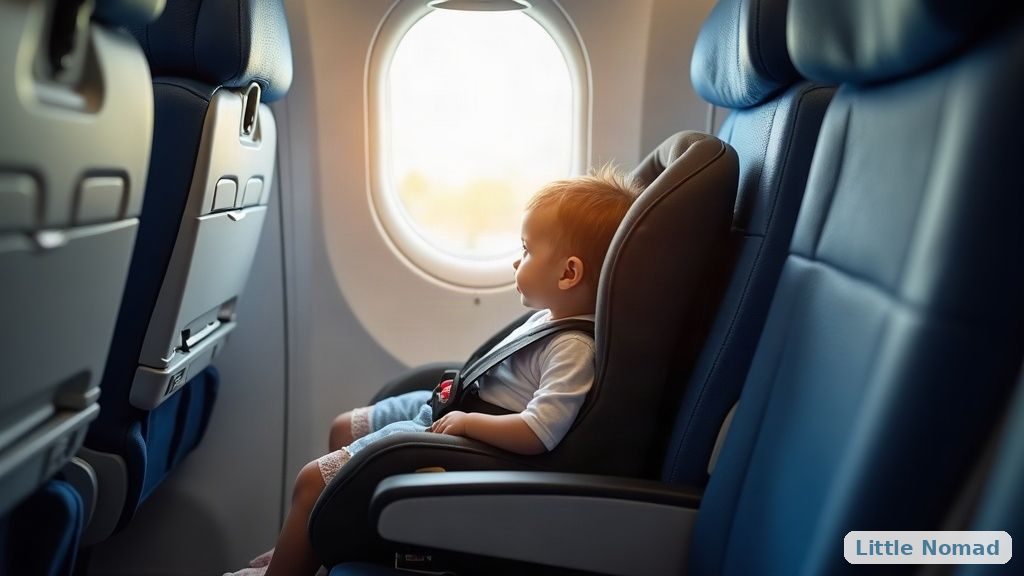
- Bought seat + FAA-approved car seat: you pay a fare and install your FAA-approved seat in a purchased seat. It’s the safest option (the same restraint logic as a car), gives the baby a familiar sleeping spot, and frees your arms — at the cost of a ticket and lugging the seat.
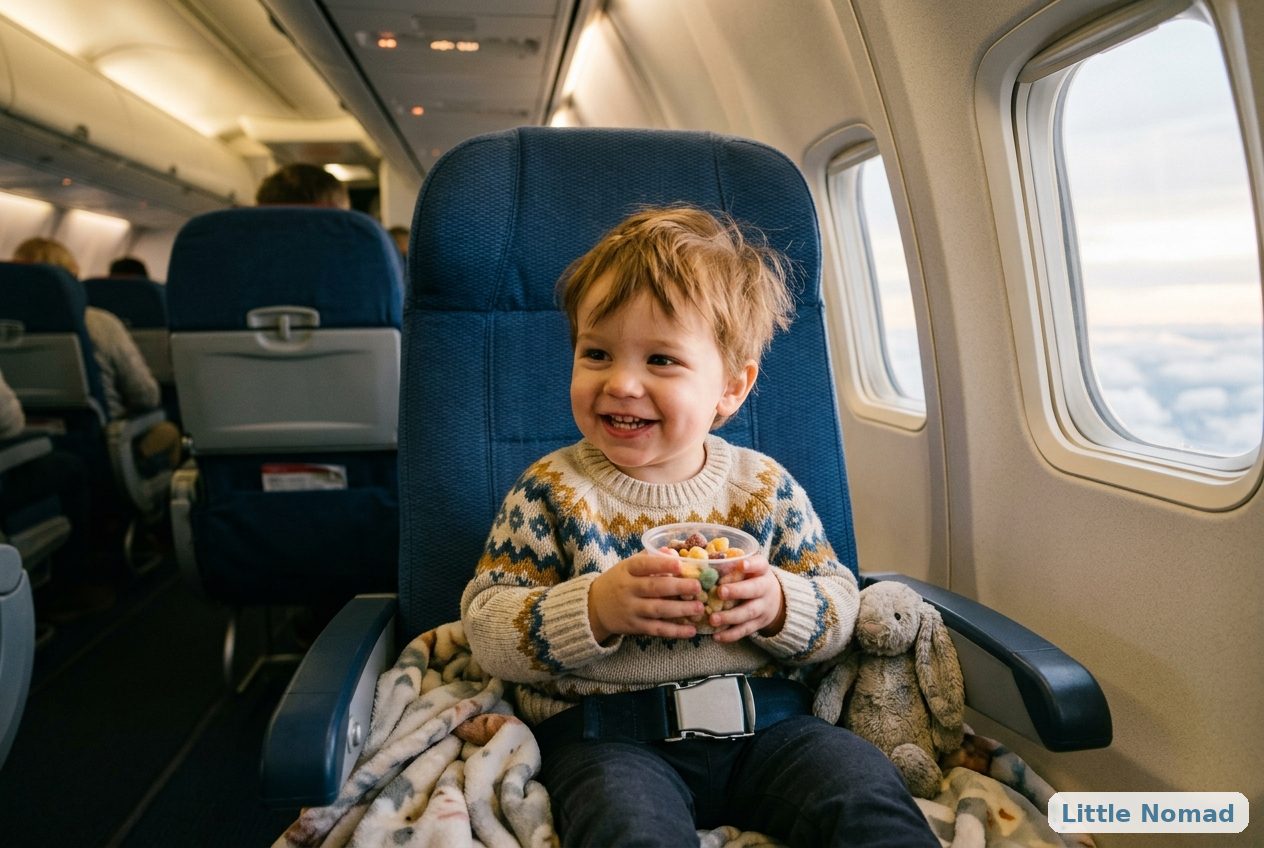
What the safety guidance actually says
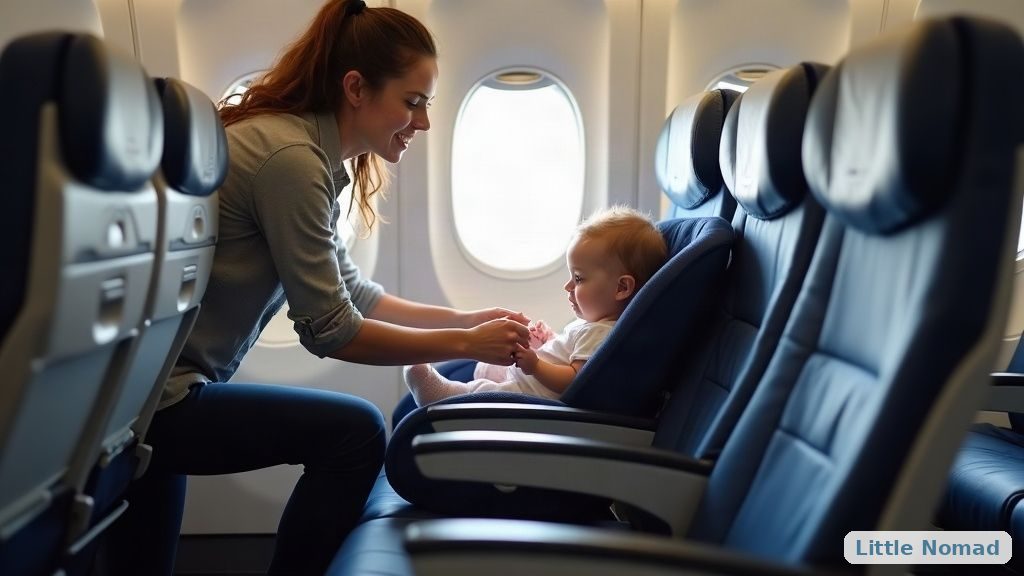
The FAA recommends that children under 40 lb be secured in an approved child restraint (car seat) rather than held as lap infants — the same reason you’d never hold a baby in a moving car. The catch is it’s a recommendation, not a requirement under 2, so the choice (and cost) falls to you. Look for the label “This restraint is certified for use in motor vehicles and aircraft” on your seat — most infant seats in a travel system like the Evenflo Pivot NXT carry it. (Confirm on your specific model before you fly.)
Do I have to buy a plane ticket for a baby under 2?
No — most airlines allow a lap infant free on domestic flights (fees apply internationally). You may choose to buy a seat to bring a car seat, which is safer. So it’s optional, and the trade is money vs. safety and comfort. Our flying-with-a-baby checklist covers the rest of the trip.
Is a car seat safer than holding my baby on a plane?
Yes. In turbulence or a hard landing, a held child can’t be kept secure by even the strongest arms — the FAA’s whole recommendation rests on that. An FAA-approved car seat restrains the baby the way it does in a car. If safety is your priority and the budget allows, buy the seat.
Which car seats are FAA-approved for planes?
Most infant and convertible car seats sold in the US are FAA-approved — check the sticker that says it’s certified for aircraft use. Booster seats are not allowed in flight (they need a lap-and- shoulder belt planes don’t have). A travel system’s infant seat is usually the easy, approved choice; a full travel system also solves your ground transport — see car seat travel system basics.
How do I get the car seat through the airport?
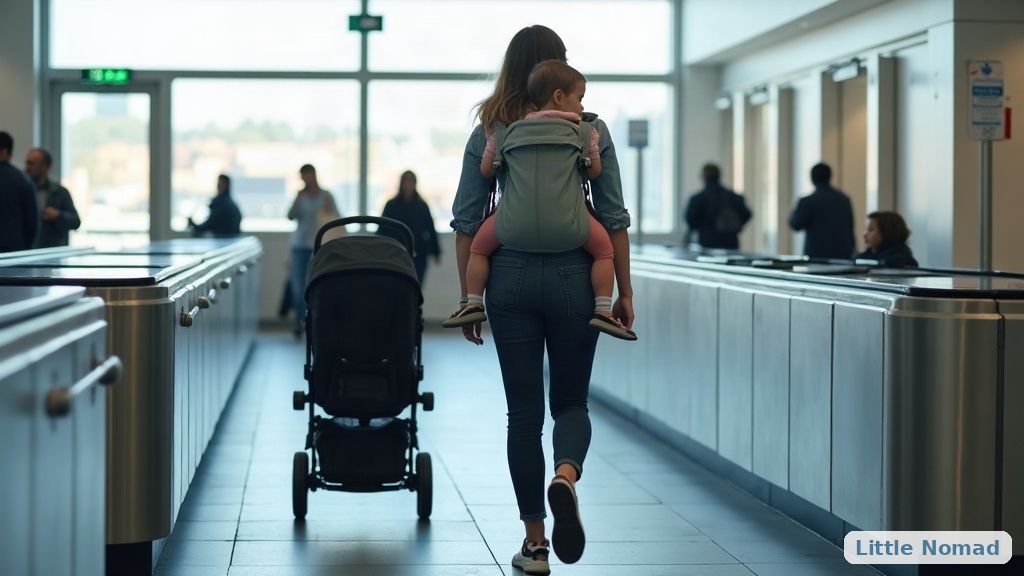
Wear the baby, and either gate-check the car seat (free, but it rides with luggage) or, if you bought a seat, click it onto a compatible stroller frame and roll it to the gate. A gate-check vs carry-on strategy keeps your hands free through security.
📚 Related In-Depth Analysis
- Compare findings with our guide on Best Lightweight Travel Stroller Airplane.
- Compare findings with our guide on Baby Travel Diaper Bag Packing List.
📚 Related In-Depth Analysis
- Compare findings with our guide on Travel Stroller Vs Umbrella Stroller.
- Compare findings with our guide on Travel Stroller For Tall Parents.
🔧 Interactive Planning Tool
Need exact measurements for your setup? Use our Airline Cabin Stroller Overhead Sizing Matrix to Verify folded dimensions against strict IATA overhead cabin luggage limits.
Before you fly
Lap infant is legal and free but not the safest; a bought seat with an FAA-approved car seat is the safest and comfiest but costs a fare. For short hops many parents lap-hold; for long flights or when safety trumps budget, buy the seat. Choose knowingly — and verify your car seat’s aircraft-approval label on the current listing before you rely on it.