How to Deal With Baby Jet Lag: A Practical Survival Guide (2026)

As an Amazon Associate I earn from qualifying purchases. Prices and availability are accurate as of the date/time indicated and are subject to change.
🔍 How this guide was put together (Editorial Standards)
This guide compares options using published manufacturer specifications, patterns in publicly visible owner reviews, and reputable expert sources. We do not operate a physical testing lab; see our how-we-research page for details.
EDITOR'S PICKS
Top Picks

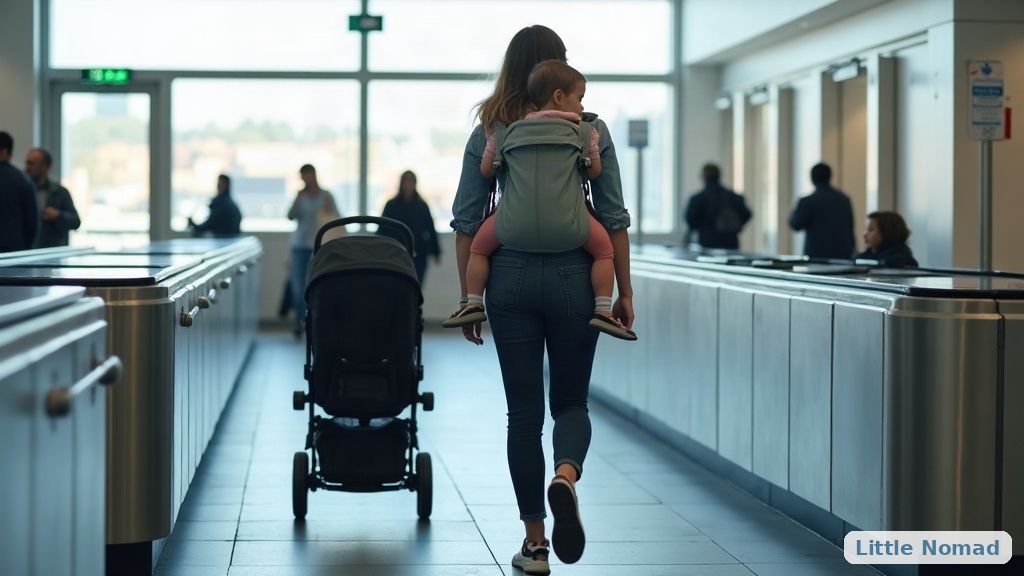
Crossing time zones scrambles a baby’s body clock just like an adult’s — sometimes worse, because they can’t understand why it’s suddenly bedtime when their body says playtime. A jet-lagged baby means broken nights for everyone and can shadow a whole trip. But you can soften it a lot with a little prep and by using the two most powerful reset tools you have: light and timing. Here’s a practical plan.
Before you fly: nudge, don’t overhaul
- Shift bedtime gradually in the few days before travel (15–30 min/day toward the destination’s time) if your baby handles routine changes well — a small head start helps.
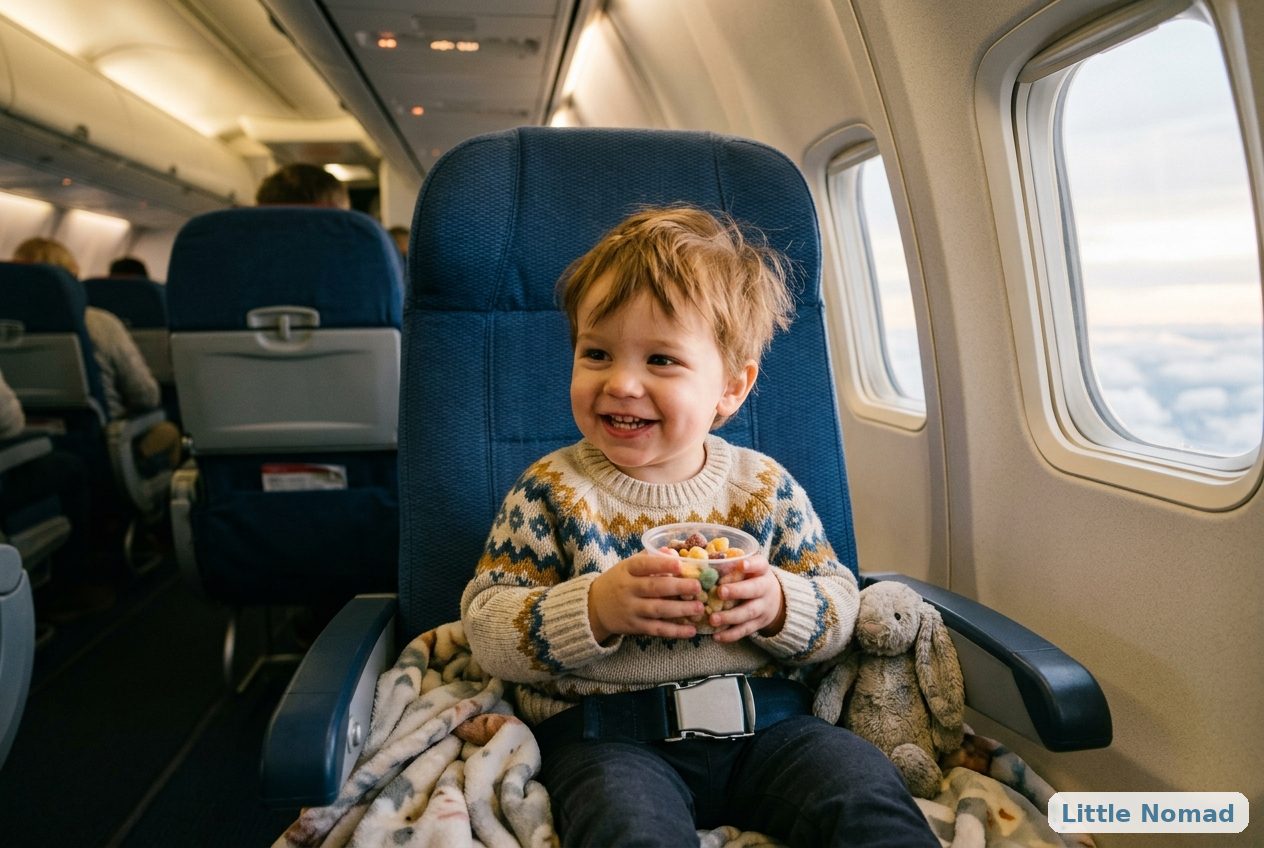
- Decide your flight-sleep strategy: for overnight flights, aim to protect one solid sleep; comfort matters, so a familiar sleep cue (sleep sack, lovey) travels with you.
- Pack the sleep environment: a portable travel crib and blackout options make the destination feel sleep-ready. Our flying-with-a-baby checklist covers the gear.
At the destination: light is your reset button

- Get on local time immediately — eat, nap, and sleep by the destination clock, not the one you left.
- Use daylight deliberately: morning/daytime light helps shift the body clock forward; get outside during the day. Keep evenings dim to signal night.
- Allow extra naps the first day or two to prevent overtiredness (an overtired baby sleeps worse), but don’t let late naps wreck bedtime.
- Be patient: roughly a day per time zone to fully adjust is normal. The first 2–3 nights are the hardest — hold the routine and it settles.
How long does baby jet lag last?
Often about one day per time zone crossed to fully adjust, though many babies improve noticeably within 2–3 days if you get them onto local time and use daylight. Eastward travel (losing time) tends to be harder than westward. Consistency speeds it up.
How do I get my baby onto the new time zone?
Switch to the local clock right away for meals, naps, and bedtime, and use daytime light to push the body clock while keeping evenings dark and calm. Allow a couple of extra naps early to avoid overtiredness. Light + consistent local-time routine is the fastest reset.
Should I keep my baby awake to fix jet lag?
Don’t force an overtired baby to stay awake — that backfires and worsens sleep. Instead, gently steer wake and sleep toward local time using light, activity, and feeds, and allow recovery naps early on. Nudge, don’t battle; their clock will follow within a few days.
Does light really help baby jet lag?
Yes — light is the strongest signal for the body clock. Daytime/morning light helps shift toward local time; dim evenings cue sleep. Get outside during the day at the destination and keep nights dark. It’s the single most effective, drug-free tool for resetting a baby’s rhythm.
📚 Related In-Depth Analysis
- Compare findings with our guide on Baby Travel Diaper Bag Packing List.
- Compare findings with our guide on Airport Security With A Baby.
📚 Related In-Depth Analysis
- Compare findings with our guide on Road Trip With A Baby Checklist.
- Compare findings with our guide on Airplane Bassinet Bulkhead Seats.
🔧 Interactive Planning Tool
Need exact measurements for your setup? Use our Airline Cabin Stroller Overhead Sizing Matrix to Verify folded dimensions against strict IATA overhead cabin luggage limits.
Land, adjust, enjoy
Nudge bedtime before you fly, switch to local time the moment you land, and use daytime light + dim evenings to reset the body clock — allowing a few extra naps to avoid overtiredness. Expect roughly a day per time zone and hold the routine through the hard first nights. Prepared and patient beats fighting the clock. Heading out by car instead? See our road trip with a baby checklist.